AFTER YOUR SHOP
Keep Food Fresh and Safe
You’ve planned well and shopped smartly. Now, it’s time to store and prepare the food.
Follow these guidelines:
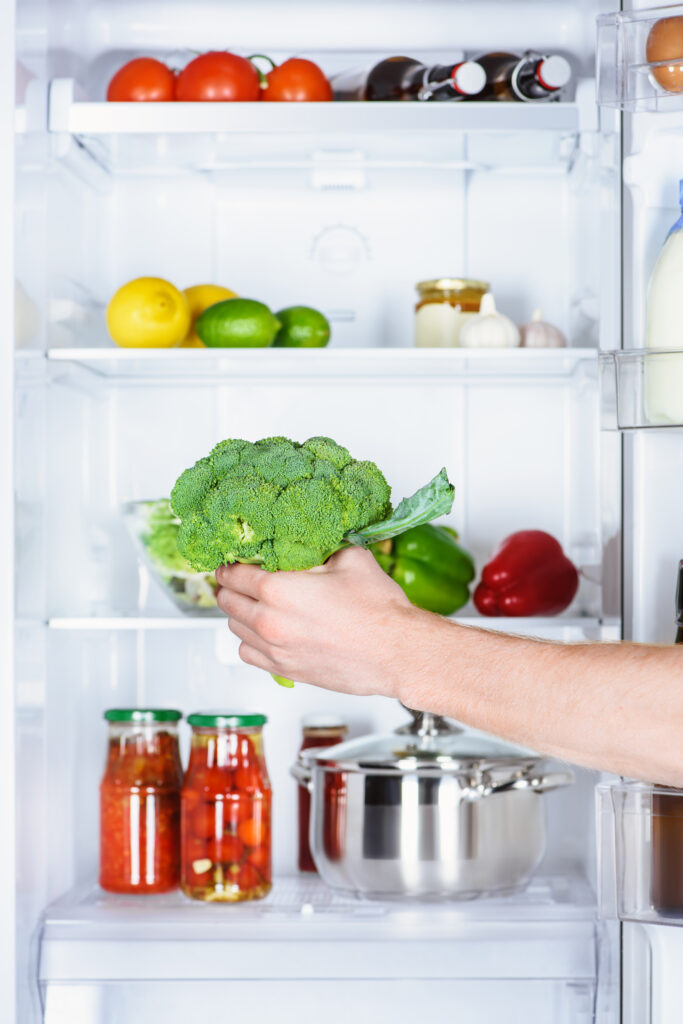
Refrigerator
- Refrigerate (or freeze) perishables right away.
- Keep refrigerator temperature at or below 40°F
- Keep refrigerator door closed tightly.
- If refrigerator is full, turn down thermostat a tad. This will help refrigerator stay cold enough.
- Store raw meat and poultry on bottom shelf so it doesn’t touch or drip on other food.
- Pay attention to “use by” date.
Freezer
- Food that is properly handled and stored in freezer at 0°F will remain safe.
- Freezer burn does not mean food is unsafe. It is a food-quality issue, not safety issue.
- Avoid freezer burn by using moisture-proof, zip-top plastic bags and wrap. Remove air from bags before sealing. Store soups and stews in freezer bags, which can be placed flat.
- Use permanent marker to label container with name of dish, volume or weight if measured, and date it went in freezer.
Cupboard or Pantry
- Keep dry foods in sealed bags or containers. This helps food stay fresh and protects it from pests.
- Keep storage area dry and cool.
- Store food or drinks near cleaning products or other chemicals.
- Use old food containers to store household chemicals.
- Store food in containers that have been used for other purposes.
- Store food on floor because it can attract mice, ants and other pests.
- Store food in opened tin cans.
- Reuse a can to store food.
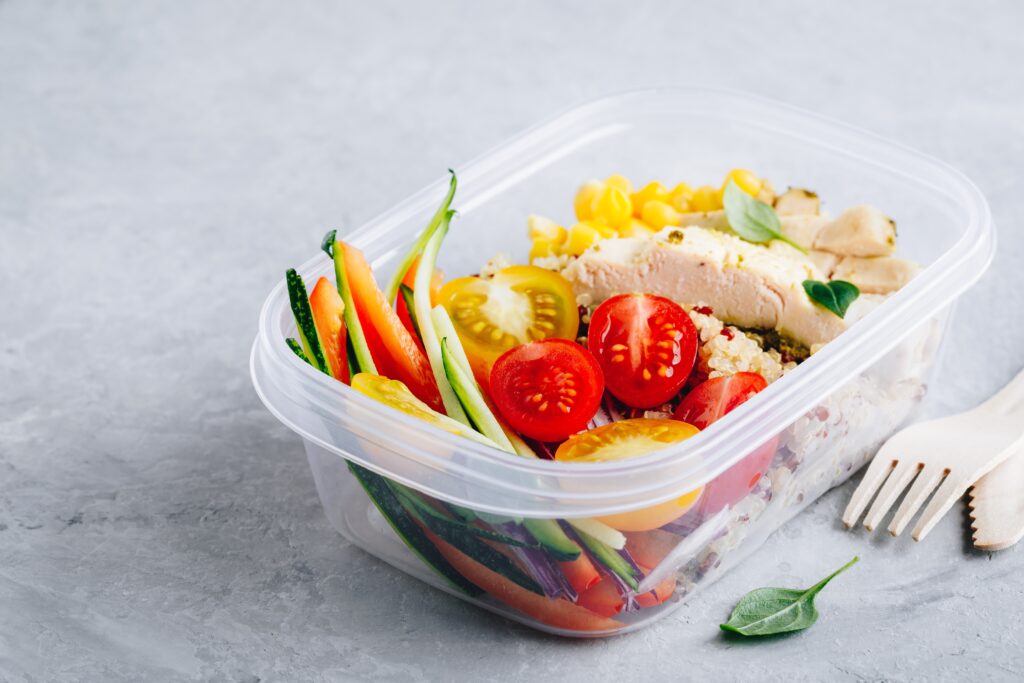
Use Leftovers Well
- Leftovers can be thawed in refrigerator, cold water or microwave. Thawing in refrigerator is safest; however, it is also slowest.
- To thaw in cold water, place leftovers in leak-proof package or plastic bag to prevent contamination from air or water. Change water every 30 minutes to speed up thawing.
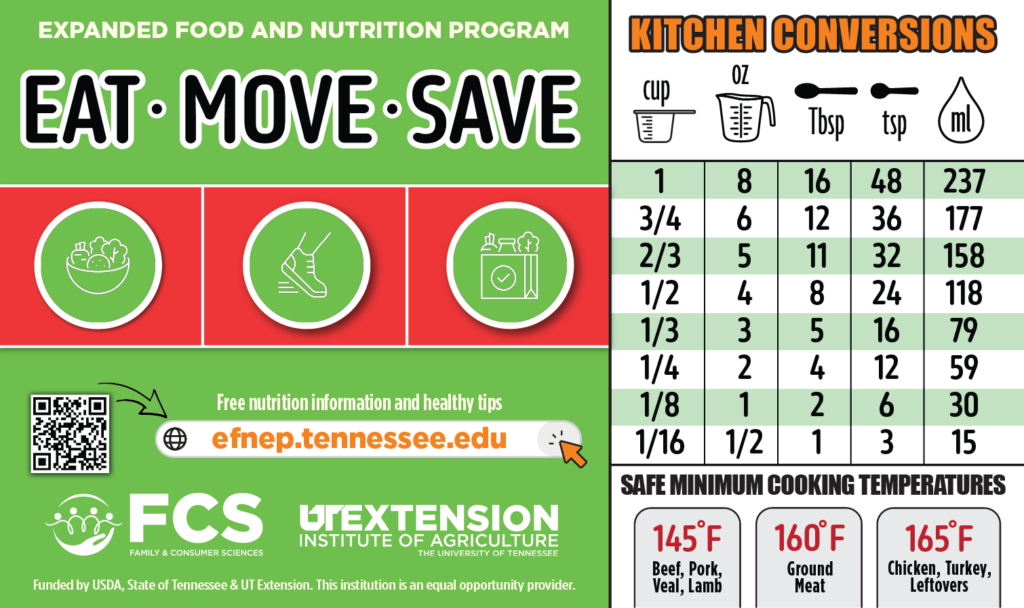
- Leftovers should be reheated to 165°F
- Soups, sauces and gravy should be brought to rolling boil.
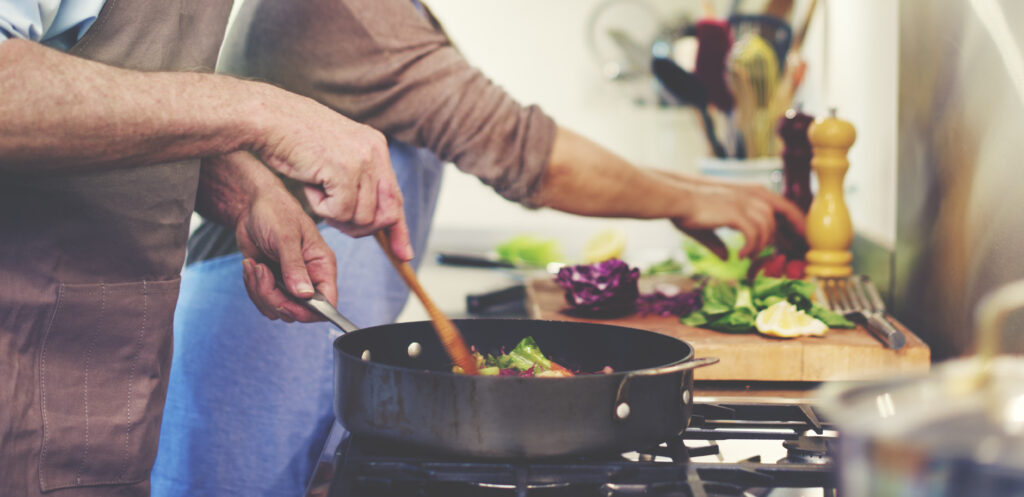
- Stir foods in middle of re-heating.
- Let foods stand for a few minutes afterwards. Heat will continue to distribute.
Avoid “Danger Zone”
Bacteria grows rapidly between 40oF and 140oF and can cause foodborne illnesses.
- Keep hot foods at 140°F or above.
- Refrigerate leftovers within two hours of cooking.
- Keep perishable food at 40°F or below.
- When storing cooked food, such as soup, divide into shallow containers to ensure it cools quickly.