
Flexibility
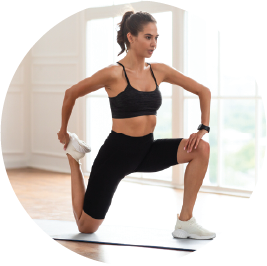
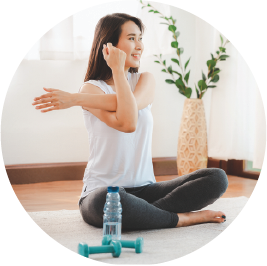
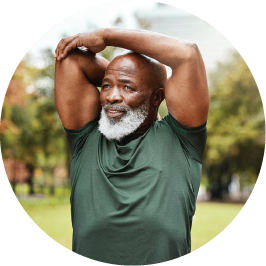
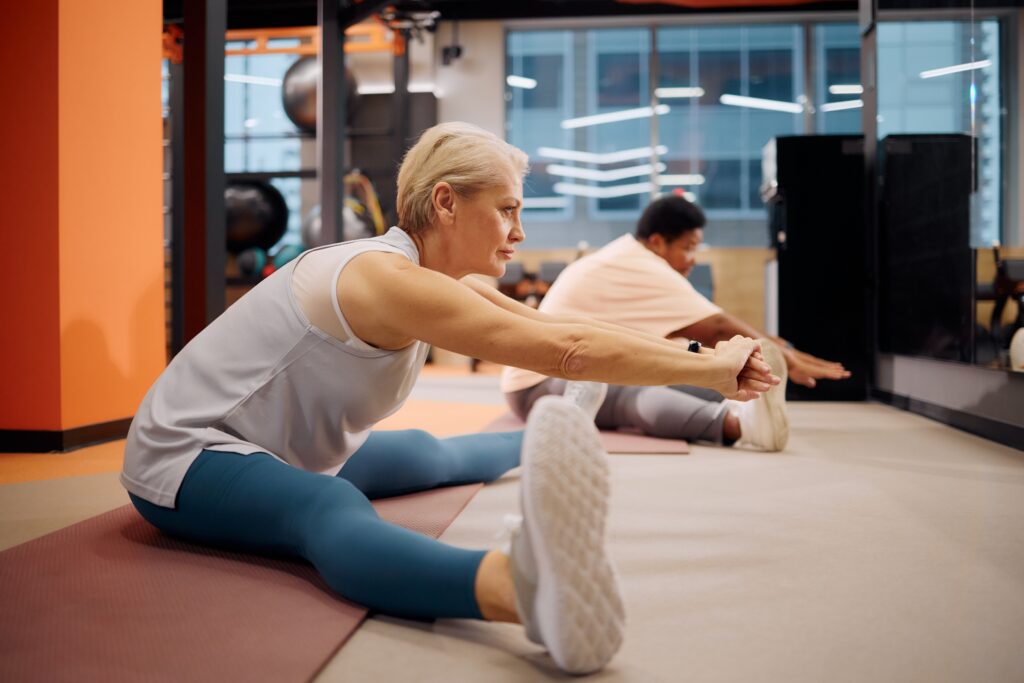
Flexibility exercises, often called stretching,
lengthen muscle tissue to improve flexibility.
BENEFITS:
- Improves range of motion
- Improves sports performance
- Improves posture
- Improves muscle strength
- Reduces muscle soreness
- Reduces injury risk

Flexibility exercises target a specific muscle or area and are usually held for a set length of time.
EXAMPLE STRETCHES:

MORE TIPS:
- Flexibility exercises can be performed daily.
- Do not stretch cold muscles.
- Be sure to do a 5-10 minute warm up before stretching.
- Stretch after aerobic activity or strength activity.

Aerobic
Aerobic activity, also known as cardio, gets the heart pumping and
the lungs working harder, improving cardiovascular health.
All adults need at least 150 minutes of moderate-intensity aerobic activity or
75 minutes of vigorous activity every week. Youth need at least 60 minutes of aerobic activity each day
EXAMPLES OF AEROBIC ACTIVITY:
Swimming
Biking
Hiking
Yard Work

Playing
Intensity refers to how hard a person exercises or the level of effort exerted.
Intensity of aerobic exercise is measured using heart rate monitoring or Rating of Perceived Exertion (RPE).
Intensity of exercise will vary between people depending on individual fitness levels.
“How do I determine intensity?“

MORE TIPS:
- Avoid sitting for long periods by time.
- Get up frequently and walk around.
- Take the steps instead of the elevator.
- Park farther away from a store to get extra steps.